

One common question about last Friday’s tariff decision is: “is this case a big deal?” This question is hard to answer. It is unclear how big its practical effects will be because it is unclear whether President Trump can use other legal authorities to impose similar tariffs and unclear how much of the tariffs already paid will have to be refunded. And it is unclear how big its precedential effects will be because the precedential effects of a decision turn partly on how future lawyers treat it, not just on what the case itself says.
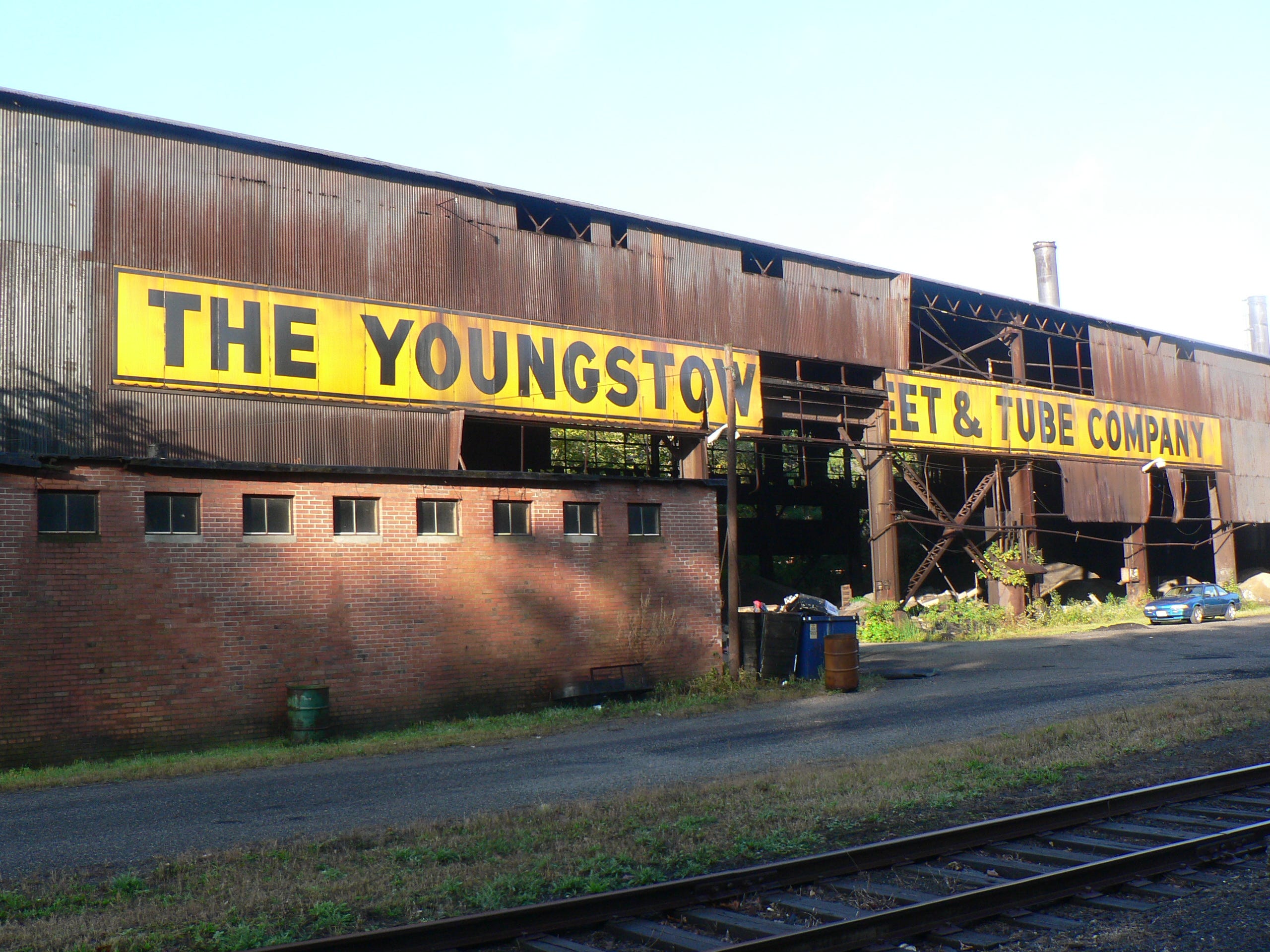
That said, I think there are several analogies to the Supreme Court’s decision 74 years ago in Youngstown Sheet and Tube v. Sawyer. Both decisions can be seen as one-off decisions that are as much about statutory interpretation as constitutional law. But at the same time, it’s always a big deal when the Supreme Court says “no” to the President about something that the President cares about. It’s especially a big deal when Justices that share the President’s party, and were even appointed by the President in question, do it. That happened in Youngstown, and it happened again in Learning Resources.
(And when else has it happened in the decades between? I am not saying the answer is “never” but I welcome suggestions in the comments.)
Some other similarities:
In Youngstown, as much of the life of the decision has been in the various concurring opinions about twilight zones and historical gloss, not just the by-the-book majority opinion. In Learning Resources, it would not be surprising if something similar is true of the separate opinions about the major questions doctrine, partisan symmetry, and the non-delegation doctrine.
Some people have complained that Youngstown’s canonization gives a false impression about how willing and able the Court is to check executive power. (See my point above about how rare it is to see the Supreme Court stop a sympathetic President from doing something he cares about.) So too, some people are complaining and will complain that Learning Resources is going to be cited to give a false impression about how willing this Court is to stand up to President Trump.
Some people think that what really caused the decision in Youngstown is that the Court just didn’t think the steel crisis was that big of an emergency. Similarly, some people think that what really caused the decision in Learning Resources is that the Court just didn’t think there was really an emergency (or an “unusual and extraordinary threat,” as the statute puts it). And yet in both cases, the Court didn’t say that. It instead said that even if there was an emergency, the President did not have the claimed power. That is interesting.
As I mentioned yesterday, I have a new short piece on Youngstown on SSRN. I wrote it before the tariffs decision, and it is mostly not about the tariffs decision, but I did post it this weekend because of the tariffs decision. Here is the conclusion of the piece:
The Youngstown crisis is almost 75 years old, but the basic separation of powers issues remain as lively as ever. Presidents run for office promising to do things for their constituents, then discover that Congress has not afforded them as much power as they desire. If they take action anyway, they will confront the courts, which will have the difficult duty of telling the President “no.” Presidents chafe at this, and their supporters will accuse the courts of terrible misbehavior. But these limits on executive power, enforceable in the courts of law, are central to our constitutional government. The lesson of Youngstown is one that each successive generation apparently needs to learn over and over again.
Article talks about who pays when the Government and Agencies loose.
I had no idea about the judgment fund, treasury funds it he said.
KR
I agree that it’s always a big deal when the Court strikes down a policy that’s important to the President. But I don’t really think Learning Resources is a big deal beyond that: It didn’t break any new ground, and to my knowledge, the overwhelming majority of court-watchers expected this result.
Congress, not the President, has the power to tariff. And though Congress can delegate some of that power, IEEPA did not have a clear delegation of the tariff power, and it didn’t contain any sort of meaningful limiting principle that would’ve prevented the President from abusing the tariff power. Under volumes of existing precedent, these IEEPA tariffs were always doomed.
Learning Resources just reconfirmed what we all already knew.
It’s also tough to argue Learning Resources was a big deal when (a) the President is still imposing a 15% tariff on the entire world and (b) there is no clear path to disgorging these illegal tariff revenues from the government. If the President can usurp Congress’s core power for more than a year and keep billions of dollars in illegal revenues, then the Constitution seems pretty flimsy.